One of the latest fields that you should know about is regenerative medicine. It is growing rapidly and will most likely affect the business you do in the following years, if it has not affected you yet. Regenerative medicines are an emerging field of science that is directed towards the repair, regeneration, or replacement of the damaged tissue as well as organs. Regenerative medicine refers to the process of producing functional tissues that will be used to repair and/or replace those nonfunctional organs or tissues. Using regenerative medicines, it is now possible to repair or replace the tissues or organs that have lost their functioning ability due to various reasons, including age, congenital defects, internal and external damage. There are a lot of areas that regenerative medicines can be utilized such as in cardiovascular, neurology, orthopedic, and musculoskeletal disorders. Learn more about Oklahoma Institute of Regenerative Health, go here.
Regenerative medicines are so popular right now because many think that if it lives up to its full potential, rather than treating diseases, companies who offer this kind of service are working on how to restore, re-engineer or regenerate the human cells, organs and tissues to bring back its normal function by targeting the origin of the disease. This can only mean that there will be no more costly and long term medical treatments in order to fight the disease, which is a huge swift in the industry. Right now, there are hundreds of companies that deals with regenerative medicine ranging from the smaller companies to divisions of multinational corporations that centers specifically on this sector. The following are the categorization of subsections within the industry. Find out for further details on this link right here.
Gene Therapy
Gene therapy deals with the mutated or defective genes that is in need of either correction or better regulation through the insertion of the well-functioning genes into the genes of a patient.
Second: Stem Cells Used for Toxicity Testing, Drug Discovery, and Disease Modeling
Several companies are more and more learning to take advantage of the use of stem cells and living tissue constructs so as to build an in-vitro models that can be used to study the human mechanisms of disease and the impacts of drugs on different cell and tissue types like liver, human heart, and brain cells.
The Biobanking
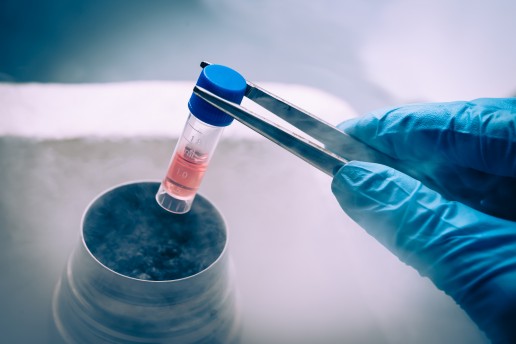
The tissue and cell banks are in charge of gathering, storing and distributing the biological materials used in regenerative medicine, these include musculoskeletal tissues, adipose tissue, pericardium, bone, skin, cord blood and birth tissues, vascular tissue, and other biological samples. Please click this link
https://health.howstuffworks.com/medicine/modern-treatments/future-regenerative-medicine.htm for more info.
Fourth: Cell-Based Therapies
Living cells are included into the regenerative medicines in order to attain various positive results which include replacing damaged or diseased cells and tissues that helps the body’s own healing like an immune response or regeneration in disease tissue and supplying genetic or molecular therapies to target.

 itisthehealthguide